Stamped Engineering Drawings: What You're Actually Buying
What a PE stamp legally means, when you need one, what it costs, and how RoofHelm's calculator fits into, not replaces, that process.
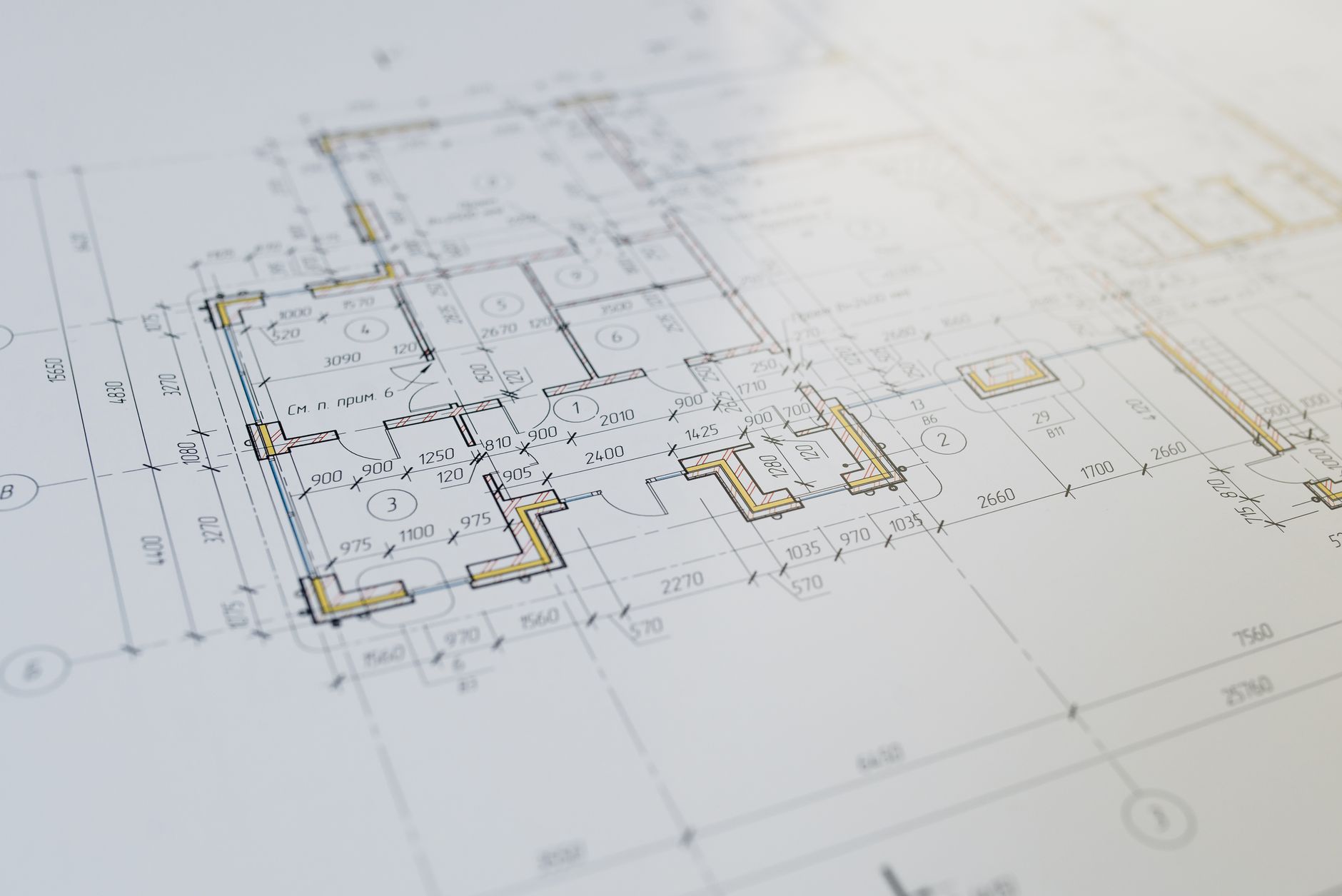
- ›A PE stamp is a licensed engineer's legal certification that they reviewed specific plans and take responsibility for them meeting code, tied to a state license.
- ›Whether you need one depends on your jurisdiction and project type; always confirm with your local building department.
- ›A stamped package typically includes a calculation package, signed drawing sheets, and often insurance backing the engineer's work.
- ›RoofHelm's $29 Pro report calculates the exact ASCE 7-22 governing load and packages it cleanly, but it is not a substitute for a licensed engineer's stamp.
When a permit reviewer asks for 'stamped engineering drawings,' the phrase doesn't explain what you're actually paying for, or why the cost can range from a couple hundred dollars to several thousand. This deep dive breaks down what a PE stamp legally means, when you actually need one, what a typical stamped package includes, and roughly what it costs. It also explains exactly where RoofHelm's calculator and $29 Pro report fit into that process, and where they stop.
The confusion is understandable. Two different projects can both get told 'you need stamped drawings' by a plan reviewer, and end up needing completely different scopes of engineering work, one a quick letter confirming an existing design meets code, the other a full custom calculation and drawing set. Knowing which situation you're in before you call an engineer saves both time and money.
What a PE stamp actually is
A PE stamp is the official seal of a licensed Professional Engineer, applied to a specific set of plans or calculations. By stamping a document, the engineer is legally certifying that they personally reviewed it and that it meets applicable code, and they take personal legal responsibility for that certification.
The license behind the stamp is issued by a specific state's engineering licensing board, not a national body. Most states require the engineer to be licensed in the state where the project sits, so a stamp from an out-of-state engineer isn't automatically valid everywhere; some states offer reciprocity, but it has to be confirmed. The National Council of Examiners for Engineering and Surveying (NCEES) coordinates the licensing exams and helps engineers transfer credentials between states, but it doesn't issue licenses itself; that's each state board's job.
Becoming a PE takes years: a qualifying engineering degree, a passing score on the Fundamentals of Engineering exam, a period of supervised work experience (commonly around four years), and then a passing score on a discipline-specific Principles and Practice of Engineering exam. That path is why the stamp carries real legal weight; it represents a verified, tested, and monitored level of competence, backed by a license the state can revoke for professional misconduct.
When you actually need one
Whether a project needs a stamp depends on your jurisdiction and the project's type and size, and it varies enough that there's no reliable universal rule. Common triggers include structural modifications to an existing building, new post-frame or steel buildings, room additions, and any project where a plan reviewer specifically asks for engineering.
Some jurisdictions exempt small residential projects below a certain size or scope from requiring a stamp; others require one for nearly any structural work. The only reliable way to know is to ask your local building department directly, before you pay for anything, what their specific requirement is for your project.
Lenders and insurers sometimes add their own requirement on top of the building department's. A construction loan or a homeowner's or commercial property policy may ask for a stamped set of plans as a condition of financing or coverage, even on a project where the local code itself wouldn't strictly require one. Ask your lender or insurer directly if either applies to your situation.
What's typically in a stamped package
A calculation package showing the governing loads (for a roof, the design snow and wind loads) and how those loads travel through the structure to the foundation.
The stamped and signed drawing sheets themselves, showing the specific framing, connections, and sizes the calculations support.
Often, though not always, professional liability insurance backing the engineer's work, since the stamp puts personal legal responsibility on the engineer's license.
Some packages also include a brief narrative letter, a plain-English summary of what was reviewed and the engineer's conclusion, aimed at a plan reviewer who wants a quick confirmation before digging into the full calculation package. Not every engineer includes one automatically, so ask if your project's reviewer expects it.
What it costs
Cost varies enormously by project scope, region, and how much original design work is involved, so treat any number here as a general planning range, not a quote. A straightforward residential structural letter, reviewing an existing design against code, commonly runs roughly $150-$800 or more. A full custom building design with original engineering runs well beyond that, often into the thousands, depending on complexity. Get a quote directly from a licensed engineer for your specific project; regional rates and project scope both move the number substantially.
The biggest cost driver isn't the stamp itself, it's how much original engineering work sits behind it. Reviewing and stamping a design that's already well documented, with clear loads and a straightforward load path, takes an engineer far less time than starting from a blank sheet on a custom structure. That's a big part of why handing an engineer a clean, accurate calculation package upfront, rather than a rough sketch, tends to keep their fee closer to the lower end of the range.
How to find and work with a licensed engineer
Your state's engineering licensing board maintains a public roster of active PE licenses, which is the most reliable way to confirm someone's license is real and current before you pay them. Many local structural or civil engineering firms also specialize in exactly this kind of residential and light-commercial review work, so a general web search plus a license check is often enough to build a short list.
When you reach out, bring what you already have: your address, the project scope, and, if you've run one, your RoofHelm snow load calculation or Pro report. Giving the engineer accurate numbers upfront, rather than asking them to start from zero, is the single best way to keep both their time and your bill on the lower end of the cost range above.
Where RoofHelm's calculator fits in
RoofHelm's Snow Load Calculator computes the governing ASCE 7-22 snow load for your address and roof exactly, using the same balanced-load, unbalanced-load, and drift equations a licensed engineer would apply by hand.
The $29 Pro report packages that calculation into a clean, permit-ready summary PDF: every input, every factor, and the governing load, laid out the way a plan reviewer expects to see it. That's genuinely useful prep work, and it can save an engineer time, and you money, if they're reviewing your project.
What it is not: a substitute for a licensed engineer's stamp. RoofHelm's report is not stamped and is not a legal certification from a licensed professional. A plan reviewer or lender may still require a PE to independently review and stamp plans before a permit is issued, regardless of how thorough the underlying calculation is. Think of the Pro report as a strong, accurate starting point to hand an engineer, cutting down their review time, not a replacement for their review.
Can I use RoofHelm's report instead of hiring an engineer?
Not for a project that requires a stamp. Confirm with your local building department whether your project needs a licensed engineer's stamp. If it does, the Pro report is best used as a well-organized starting point you hand to that engineer, not as a substitute for their signature and seal.
Does a PE stamp expire or apply everywhere?
A PE's license is tied to a specific state, and most states require the engineer to hold an active license in the state where the project sits. Reciprocity between states exists but isn't automatic or universal, so an out-of-state stamp needs to be confirmed as valid with your local building department before you rely on it.
| Document | What it shows | Who prepares it | Stamped? |
|---|---|---|---|
| RoofHelm free calculator output | ASCE 7-22 governing snow load, every factor shown | Self-service, based on your inputs | No |
| RoofHelm $29 Pro report | Permit-ready PDF summary of the governing load calculation | Self-service, based on your inputs | No |
| Structural engineering letter | Engineer's review of an existing design against code | Licensed PE | Yes |
| Full custom structural design | Original engineering for a new or modified structure | Licensed PE | Yes |
Get your design roof snow load in seconds with the free ASCE 7-22 calculator.
Open the calculatorFrequently asked
01What does 'PE' mean?+
PE stands for Professional Engineer, a license issued by a state engineering licensing board to an engineer who has met that state's education, experience, and exam requirements. A PE stamp is that engineer's official seal, applied to work they've personally reviewed and certified.
02Is RoofHelm's Pro report a stamped document?+
No. It's a $29 permit-ready summary PDF of the ASCE 7-22 snow load calculation, not a substitute for a licensed engineer's review and stamp. Where a stamp is required, a PE still needs to review and sign off separately.
03How much does a stamped drawing cost?+
It varies widely by project and region. A straightforward residential structural letter commonly runs roughly $150-$800 or more; a full custom building design costs substantially more. Get a quote directly from a licensed engineer for your specific project.
04Who decides if I need a stamp for my project?+
Your local building department, through its plan review process. Requirements vary by jurisdiction and project type, so it's always worth a direct call before you assume either way.